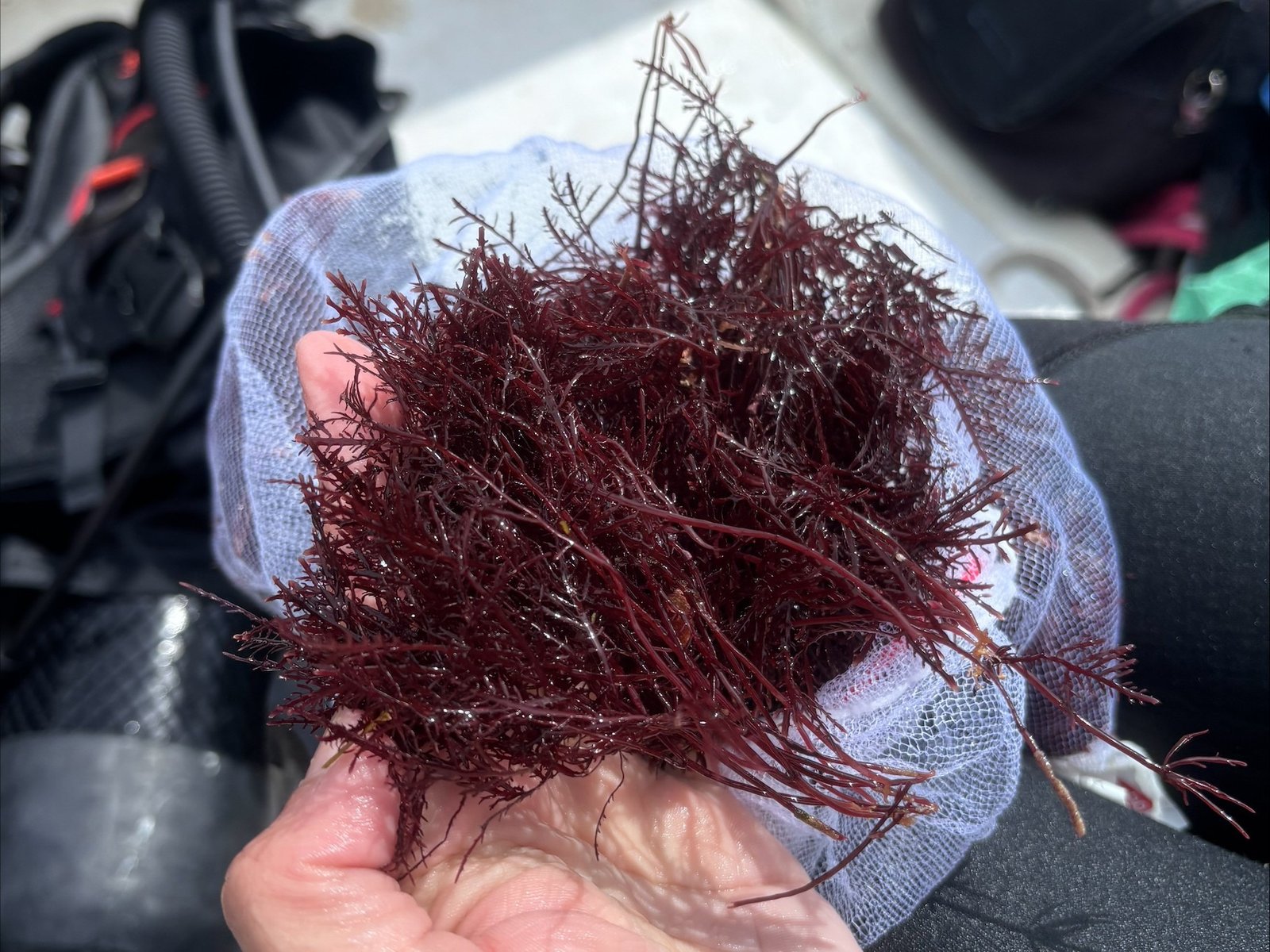
Exploring the future of Gelidium corneum: iCULTURE researchers on a field expedition in Portugal
Between 15 and 26 June 2026, iCULTURE researchers carried out a scientific sampling expedition along the south-western coast of Portugal to investigate the ecological status and future resilience of Gelidium corneum, a valuable red seaweed species native to the north-east Atlantic.
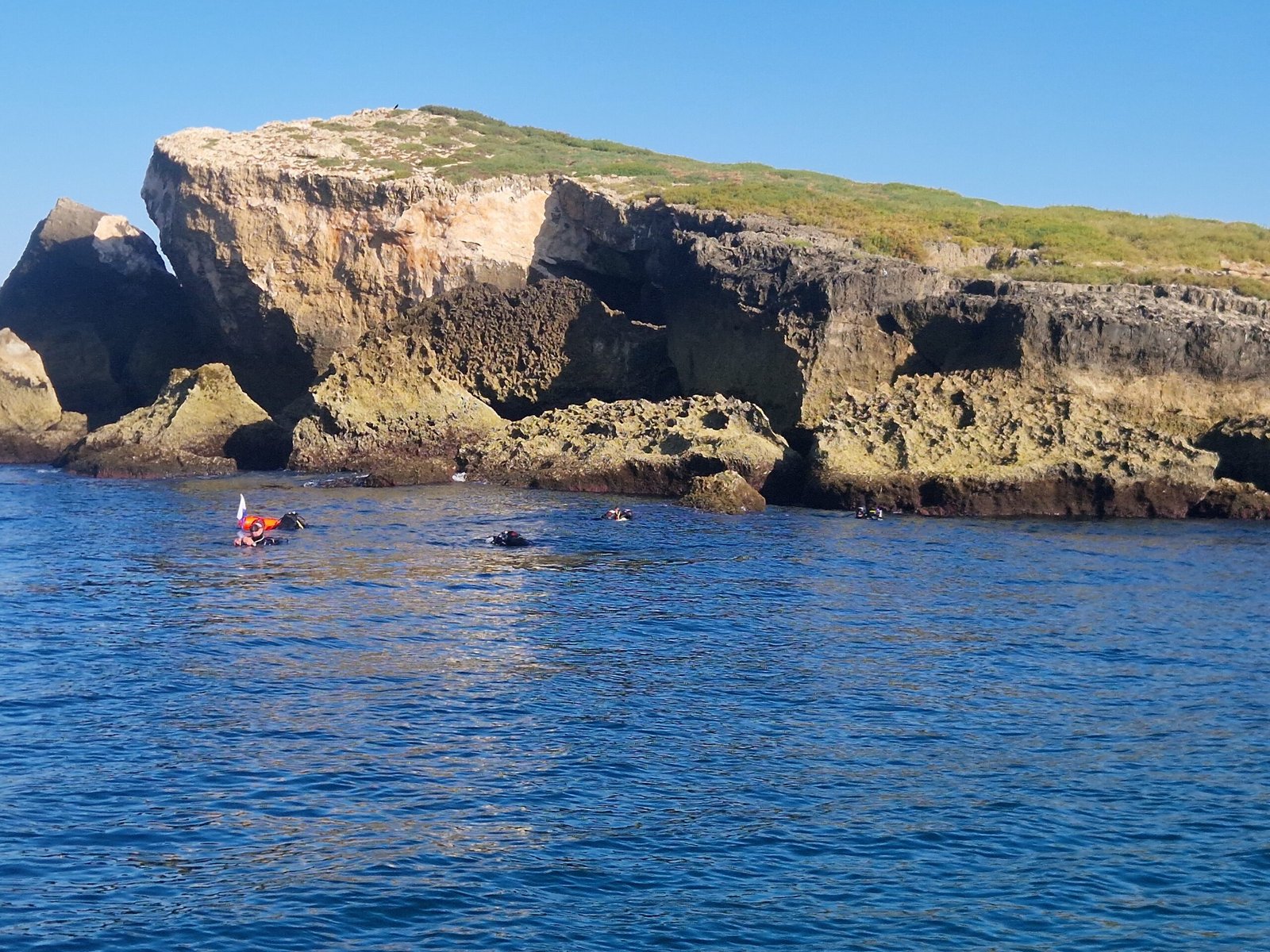
The field campaign covered three main areas, Azenha do Mar, Cabo Espichel and Ericeira, and brought together several iCULTURE partners, namely IBERAGAR, NTNU, CCMAR and Ghent University.
Understanding how Gelidium responds to a changing environment
Gelidium corneum is an important resource for the European seaweed sector, particularly because it is widely harvested for the production of agar, a high-value compound used in several industrial applications. Portugal hosts important natural populations of this species, which are traditionally harvested manually by divers. However, these resources are increasingly exposed to pressures linked to both harvesting, exploitation and environmental change, particularly climate change. Declines in Gelidium populations have already been observed in other regions, including northern Spain, highlighting the need to better understand how these ecosystems may respond to future conditions.
The Portuguese expedition was therefore designed to investigate how Gelidium corneum populations vary under different environmental conditions and to generate new knowledge on their persistence, resilience and potential response to future climate scenarios.
Collecting data from natural Gelidium populations
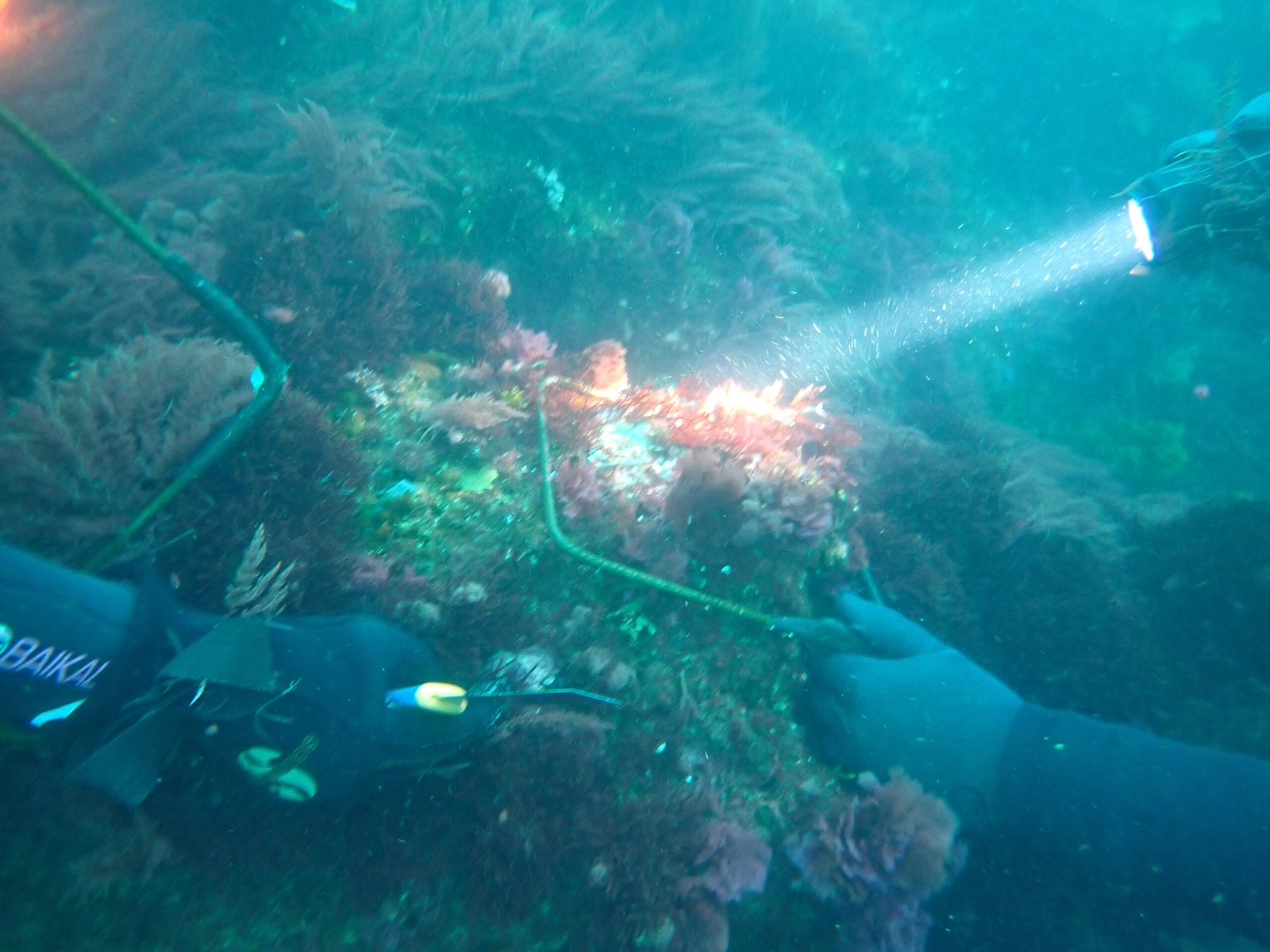
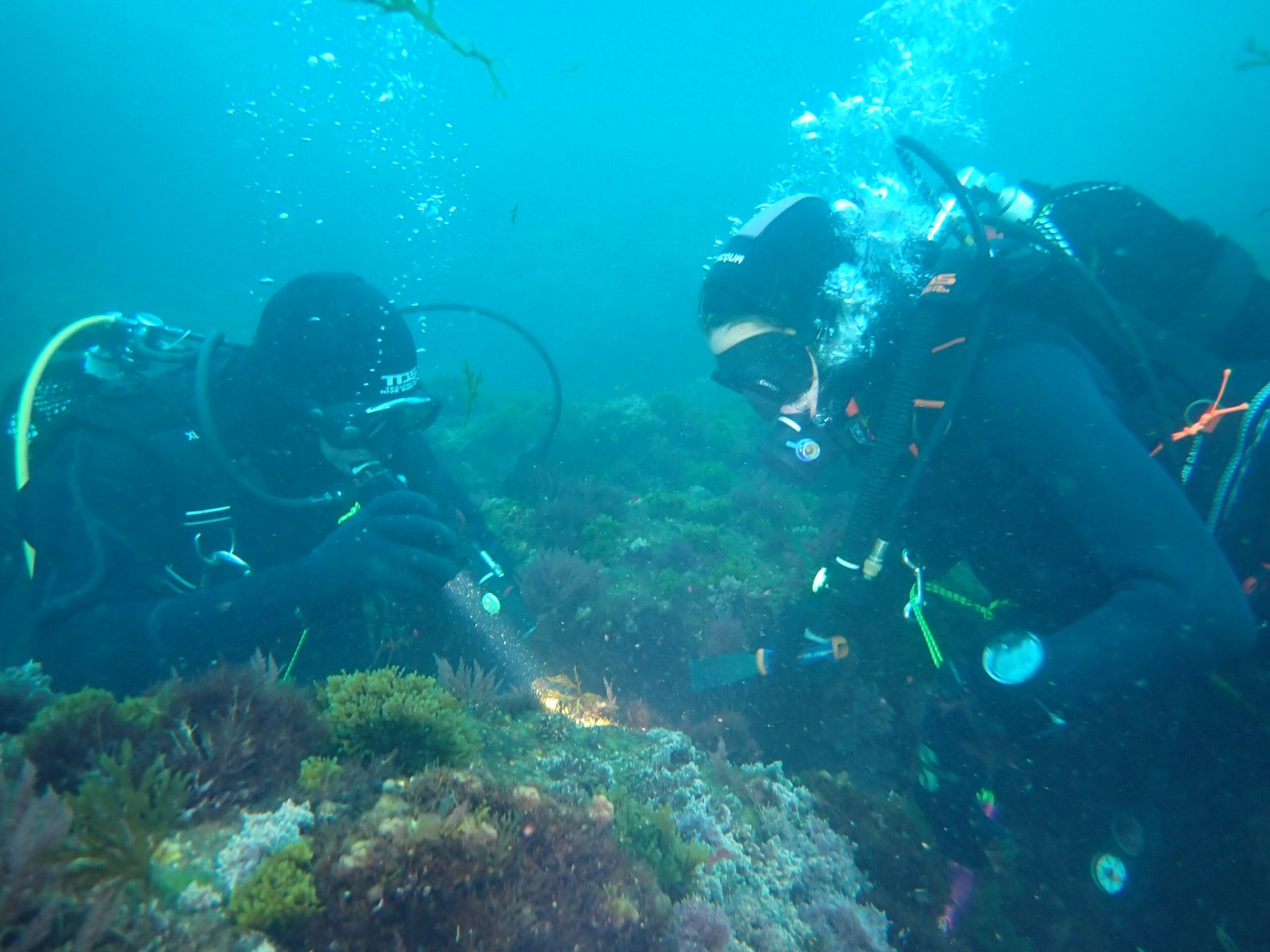
During the campaign, divers surveyed Gelidium populations across different sites and depths, collecting information on both individual seaweeds and the overall structure of the populations.
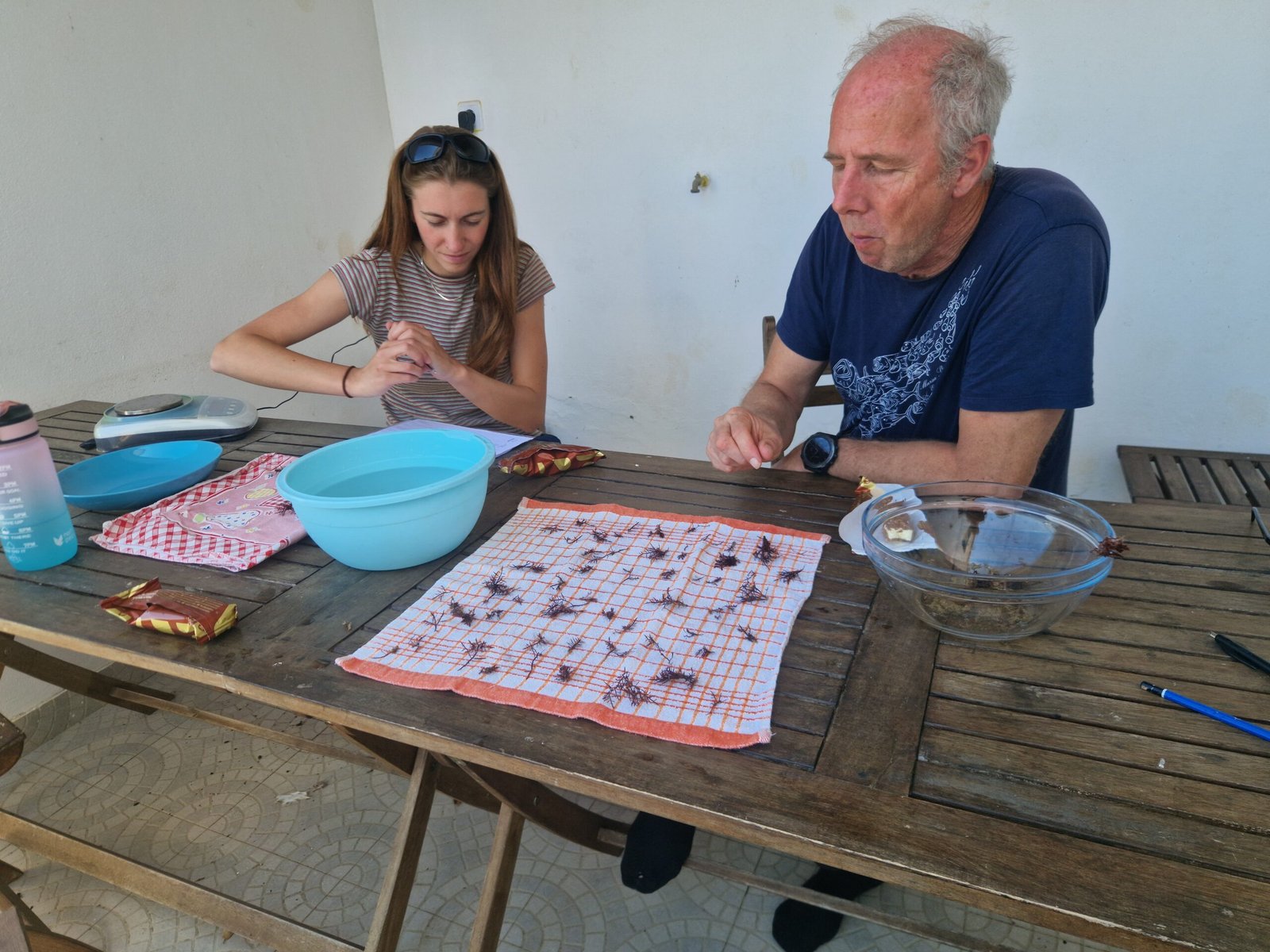
The researchers gathered data on characteristics such as seaweed size and fresh weight, as well as population density and biomass. By sampling across different environmental conditions, the team aimed to capture the natural variability of the species and better understand which factors may influence the health and productivity of Gelidium populations.
The fieldwork also provided an opportunity to observe the wider ecological context in which these populations are developing. At several sites, the researchers encountered established populations of Rugulopteryx, an invasive brown macroalga that is spreading along the Atlantic coast of the Iberian Peninsula and in the Mediterranean.
Why this matters for iCULTURE
The data collected during the expedition will help iCULTURE researchers better understand which environmental conditions support healthy and productive Gelidium corneum populations and which may place them under greater pressure.
This information is particularly important for anticipating how this valuable seaweed resource could respond to climate change and other environmental pressures, and for supporting its long-term persistence and sustainable use.
By bringing together industrial expertise, ecological research and field-based observations, the Portuguese sampling campaign contributes directly to iCULTURE’s goal of improving our understanding of valuable European seaweed resources and supporting the development of more sustainable and resilient seaweed value chains.